Both countries also committed to formalising cooperation on cybersecurity policy and information sharing on cybersecurity issues.
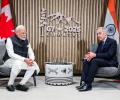
India and Canada have agreed to enhance security cooperation, including combating terrorism and transnational crimes, following Canada's decision to list the Lawrence Bishnoi gang as a terrorist entity.

Canada's allegations against Union Home Minister Amit Shah are 'concerning', the United States said on Wednesday, noting that it would continue to consult Ottawa on the issue.
India and Canada have agreed to adopt a collaborative approach towards a new chapter in bilateral ties, including working closely to combat terrorism and transnational crimes, the Ministry of External Affairs (MEA) said.

Top Canadian officials have accused Union Home Minister Amit Shah of leading a campaign targeting Sikh separatists in Canada, escalating tensions between the two nations.

The statement suggests that Canadian authorities do not see ongoing foreign interference or violent activity tied to India at present.

Top Canadian officials have reportedly admitted to leaking details about India's interference to The Washington Post, but these specifics were not shared with Canadians, The Globe and Mail newspaper reported.

India and Canada are negotiating a long-term uranium supply agreement worth $2.8 billion. They are also exploring expanded civil nuclear cooperation after the passage of the SHANTI Bill.
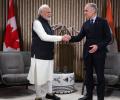
For Canada, important steps towards containing domestic elements that fuel pro-Khalistan sentiments can go a long way in signalling trust positively with regard to security and sovereignty, point out Harsh V Pant and Vivek Mishra.

"The Government of Canada has not stated, nor is it aware of evidence, linking Prime Minister Modi, Minister Jaishankar, or NSA Doval to the serious criminal activity within Canada," the statement added.
